
Emergency Pet Care Resources
Immediate access to critical care information, emergency protocols, and 24/7 expert support for urgent pet situations
Quick Emergency Actions
Find Emergency Vet
Locate 24/7 emergency veterinary clinics near you with GPS-based search and instant directions
Search NowSymptom Checker
Quick triage tool to assess your pet's symptoms and determine urgency level
Check SymptomsPoison Control
Access comprehensive database of toxic substances and immediate response protocols
View DatabaseFirst Aid Guides
Step-by-step emergency protocols for common pet emergencies and injuries
View ProtocolsEmergency Veterinary Clinics
24/7 emergency care facilities near your location
24/7 Emergency Animal Hospital
24/7Metropolitan Pet Emergency Center
24/7City Veterinary Emergency Clinic
24/7Advanced Animal Emergency Hospital
24/7Emergency Symptom Checker
Select all symptoms your pet is experiencing to receive immediate guidance
Emergency Protocols
Choking Emergency
Immediate steps to take when your pet is choking and cannot breathe properly
Emergency Steps
Check if your pet is truly choking - look for pawing at mouth, difficulty breathing, blue gums
Do not attempt if pet can still cough or breathe - this means airway is partially open
For small pets: Hold upside down by hips and give 5 firm back blows between shoulder blades
For large pets: Perform Heimlich maneuver - place fist behind ribs and thrust upward 5 times
Check mouth and remove any visible obstruction with fingers or tweezers
If unsuccessful after 3 attempts, rush to emergency vet immediately while continuing attempts
Seek Immediate Veterinary Care If:
- Pet loses consciousness
- Gums turn blue or white
- Unable to remove obstruction after 3 attempts
- Pet stops breathing
- Choking continues for more than 2 minutes
Severe Bleeding
Control life-threatening bleeding and stabilize your pet before veterinary care
Emergency Steps
Apply direct pressure with clean cloth or gauze for 3-5 minutes without lifting to check
If blood soaks through, add more layers on top - do not remove original cloth
Elevate the injured area above heart level if possible
Apply pressure bandage once bleeding slows - wrap firmly but not too tight
Check circulation every 10 minutes - toes should remain warm and pink
Transport to emergency vet immediately while maintaining pressure
Seek Immediate Veterinary Care If:
- Bleeding doesn't slow after 5 minutes of pressure
- Blood is spurting or pulsing from wound
- Pet shows signs of shock (pale gums, rapid breathing, weakness)
- Large or deep wounds
- Bleeding from nose, mouth, or rectum
Heatstroke
Rapidly cool your pet and prevent organ damage from dangerous overheating
Emergency Steps
Move pet to cool, shaded area immediately and remove from heat source
Apply cool (not ice cold) water to belly, paws, and armpits
Never use ice or very cold water - this can cause shock and worsen condition
Offer small amounts of cool water to drink if pet is conscious and alert
Place wet towels on pet and use fan to increase cooling effect
Monitor temperature every 5 minutes - stop cooling when it reaches 103°F (39.4°C)
Seek Immediate Veterinary Care If:
- Temperature above 106°F (41°C)
- Pet is unconscious or unresponsive
- Excessive drooling or vomiting
- Seizures or collapse
- Gums are bright red or purple
Poisoning
Immediate response to suspected poisoning or toxic substance ingestion
Emergency Steps
Identify the substance if possible - save packaging or take photo
Call Poison Control Hotline (1-888-POISON-1) or emergency vet immediately
Do NOT induce vomiting unless specifically instructed by veterinary professional
Remove pet from source of poison and prevent further exposure
If substance is on fur or skin, rinse thoroughly with lukewarm water for 10 minutes
Bring substance container or sample to vet for identification
Seek Immediate Veterinary Care If:
- Any suspected poisoning - even if no symptoms yet
- Vomiting, diarrhea, or excessive drooling
- Seizures, tremors, or loss of coordination
- Difficulty breathing or rapid breathing
- Unusual behavior or lethargy
Seizures
Protect your pet during a seizure and know when emergency care is needed
Emergency Steps
Stay calm and do not try to restrain your pet or put anything in their mouth
Clear area of furniture and objects that could cause injury
Time the seizure - note start time and duration
Dim lights and reduce noise to minimize stimulation
After seizure ends, keep pet calm and comfortable in quiet area
Seek Immediate Veterinary Care If:
- Seizure lasts longer than 5 minutes
- Multiple seizures within 24 hours
- First-time seizure
- Pet doesn't regain consciousness between seizures
- Difficulty breathing after seizure
Fractures & Broken Bones
Stabilize suspected fractures and transport safely to emergency care
Emergency Steps
Keep pet as still as possible - restrict all movement
Do not attempt to set or straighten the bone yourself
If leg fracture, create makeshift splint using rolled newspaper or cardboard
Splint should immobilize joints above and below fracture - do not wrap too tightly
Use flat board or sturdy surface as stretcher for transport
Transport to emergency vet immediately with minimal movement
Seek Immediate Veterinary Care If:
- Visible bone protruding through skin
- Limb at unnatural angle
- Severe swelling or bruising
- Pet cannot bear weight on limb
- Signs of shock or severe pain
Dog Poisoning: Immediate Response Protocol
Species-specific emergency response for suspected poisoning in dogs covering common toxins, immediate actions, and critical timing for treatment success
Emergency Steps
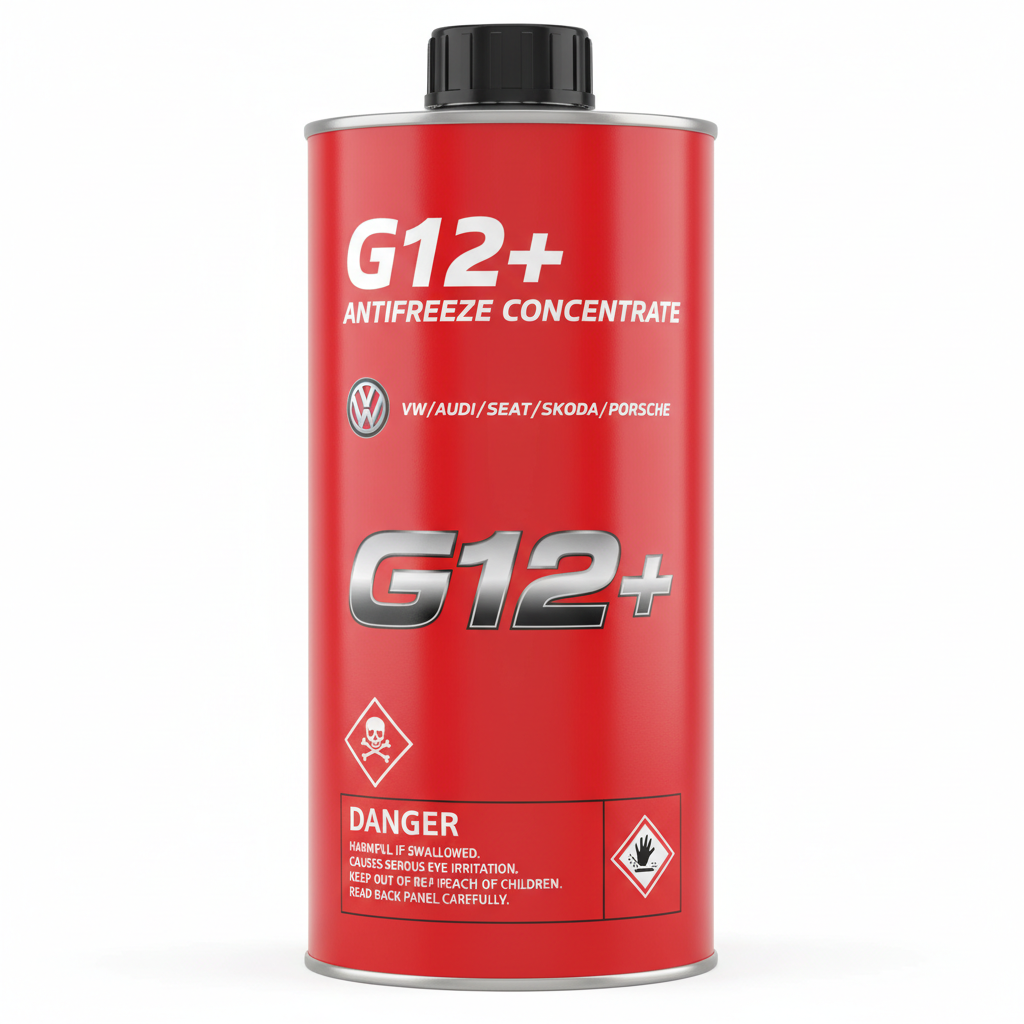
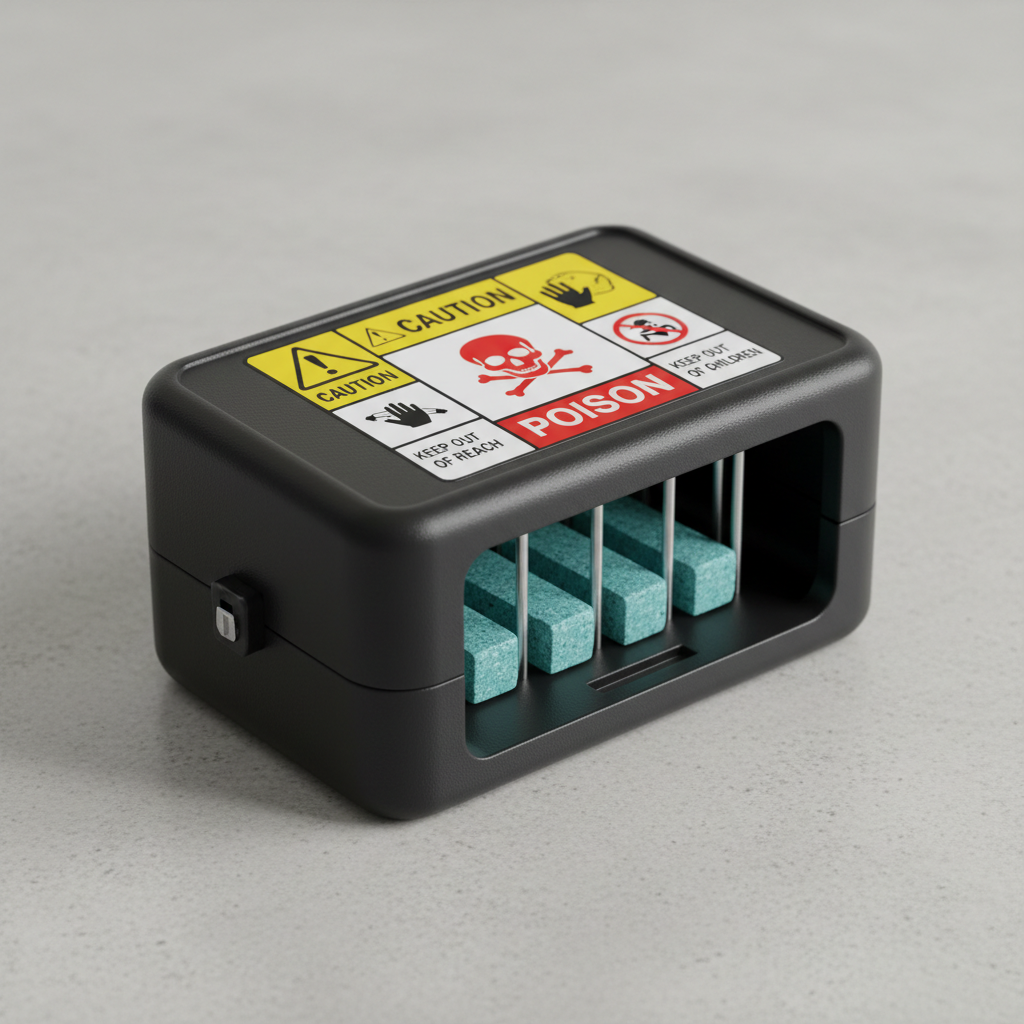
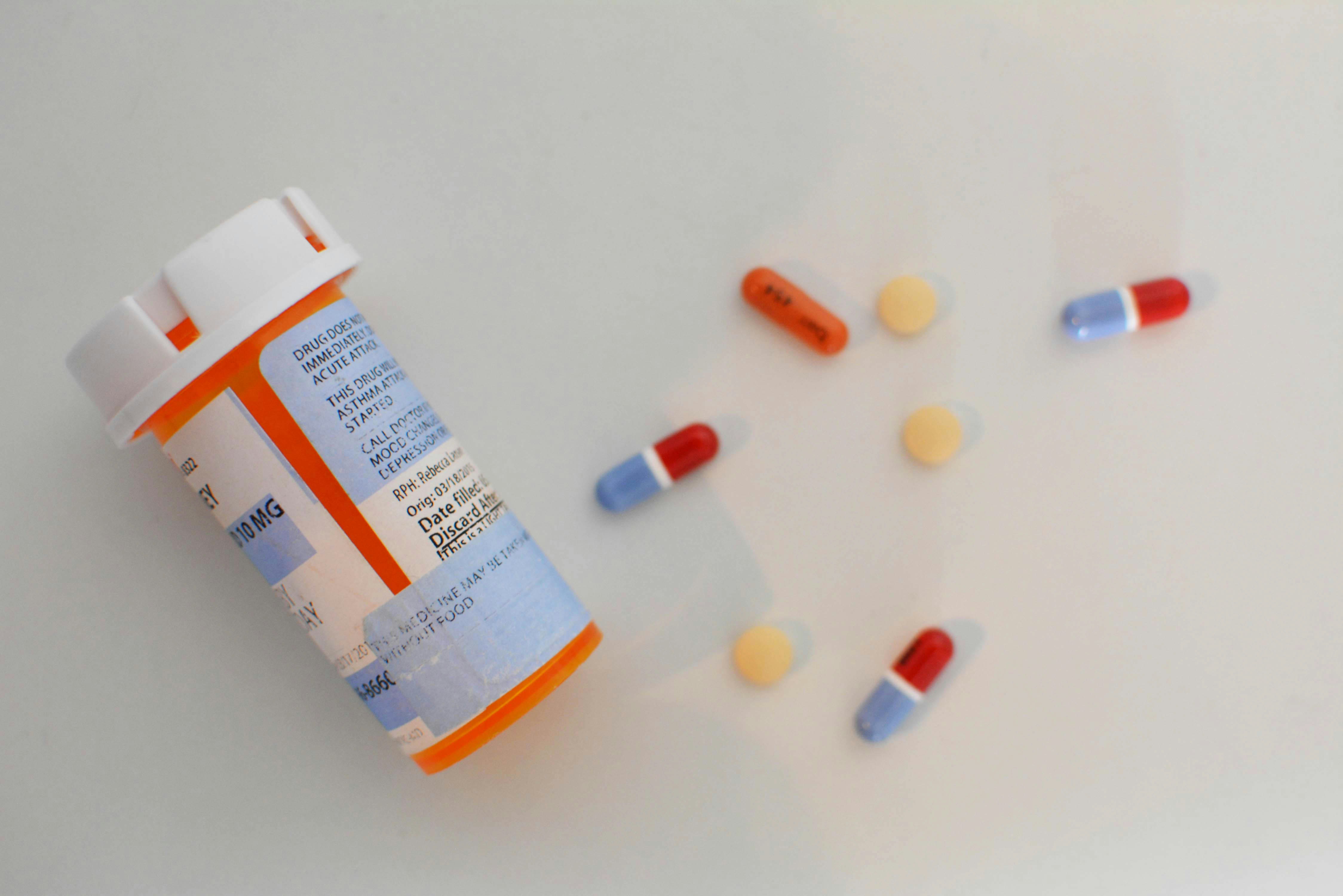
Identify the substance if possible - common dog poisons include chocolate, xylitol, grapes/raisins, onions/garlic, human medications (NSAIDs, acetaminophen), antifreeze, rodenticides, and certain plants
Save packaging, take photos, or collect vomit samples for veterinary identification
Call Pet Poison Hotline (855-764-7661) or ASPCA Poison Control (888-426-4435) immediately - have dog's weight, substance name, amount consumed, and time of ingestion ready
Do NOT induce vomiting unless specifically instructed - some substances cause more damage coming back up (acids, alkalis, petroleum products, sharp objects)
For chocolate ingestion: Calculate toxicity level - dark chocolate and baking chocolate are most dangerous. Theobromine levels: 1 oz of milk chocolate = 50mg, 1 oz dark chocolate = 150mg, 1 oz baking chocolate = 450mg. Toxic dose starts at 20mg/kg body weight
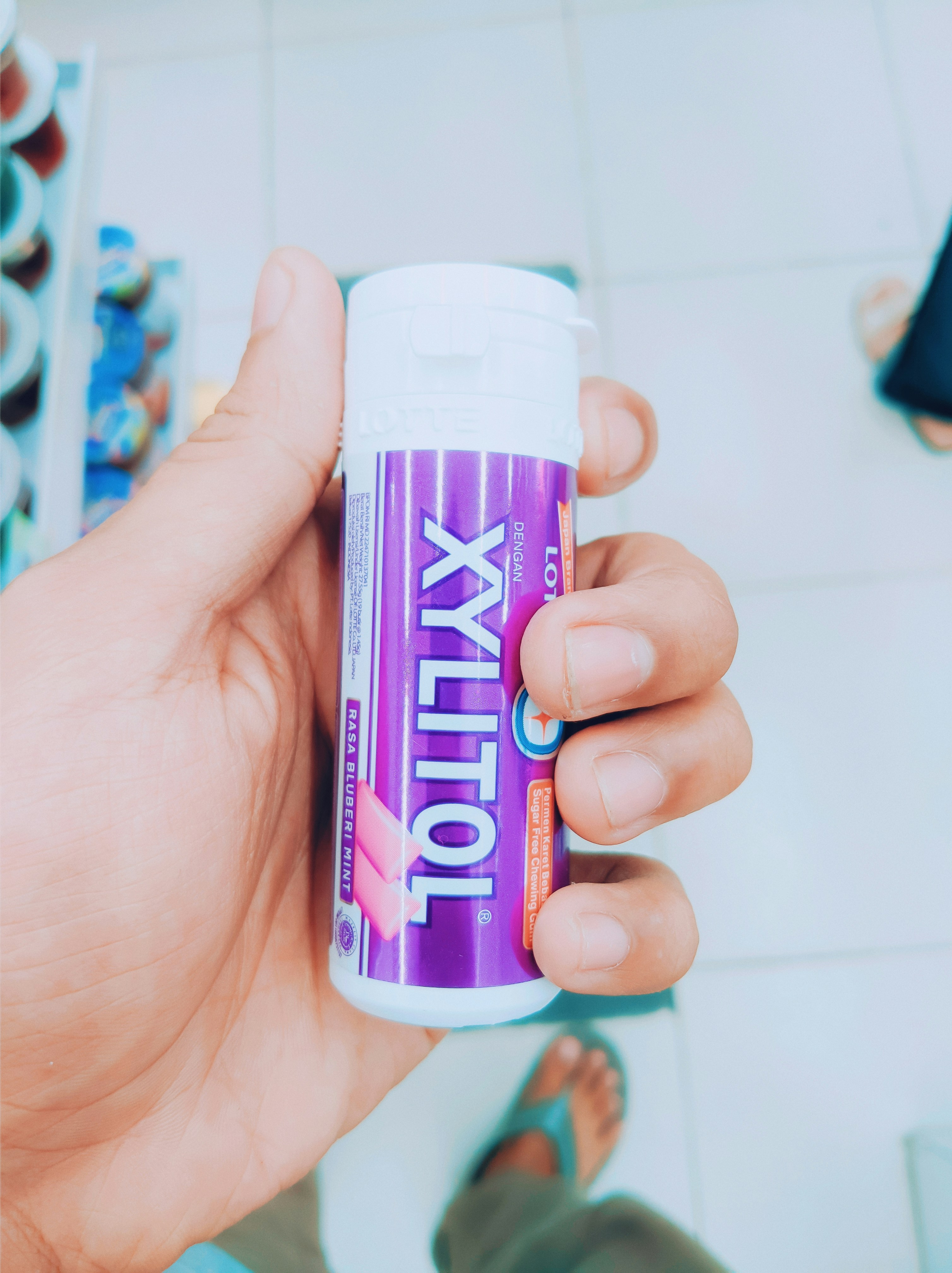
For xylitol (sugar-free gum, candy, peanut butter): THIS IS LIFE-THREATENING. Even small amounts cause severe hypoglycemia within 30 minutes and liver failure within 12-24 hours. Rush to emergency vet immediately
If instructed to induce vomiting: Use 3% hydrogen peroxide ONLY (1 teaspoon per 5 pounds body weight, maximum 3 tablespoons). Give with food if possible. Vomiting should occur within 15 minutes
Never use salt, mustard, or other home remedies - these can be dangerous
For skin/fur contamination: Immediately rinse with lukewarm water for 10-15 minutes. Use mild dish soap for oil-based toxins. Prevent dog from licking contaminated fur
Transport to emergency vet immediately - bring substance container, vomit sample (if possible), and note exact time of ingestion. Call ahead so clinic can prepare treatment
Seek Immediate Veterinary Care If:
- ANY suspected poisoning - even without symptoms (many toxins have delayed effects)
- Immediate symptoms: vomiting, drooling, weakness, seizures, difficulty breathing, unusual behavior
- Known toxic substance ingested (chocolate >20mg/kg, any amount xylitol, grapes/raisins, antifreeze)
- If unsure about substance safety - always err on side of caution
- Dog shows neurological symptoms: tremors, loss of coordination, altered consciousness
Cat Poisoning: Feline-Specific Emergency Response
Critical emergency protocol for cat poisoning including unique feline sensitivities and substances that are safe for dogs but lethal to cats
Emergency Steps
Identify substance - cats have UNIQUE toxicities: acetaminophen (Tylenol) is LETHAL even in tiny doses, lilies cause fatal kidney failure, essential oils are highly toxic, human topical pain medications (bengay, aspercreme) are deadly
What's safe for dogs can kill cats - never assume cross-species safety
Call Pet Poison Hotline (855-764-7661) immediately - have cat's weight (average cat = 8-12 lbs), substance details, and time of exposure
NEVER induce vomiting in cats without explicit veterinary instruction - aspiration risk is high
For lily exposure (ALL parts toxic): This is EXTREME EMERGENCY. Even small amounts of pollen cause fatal kidney failure. Flush mouth with water immediately. Rush to emergency vet - treatment must begin within 6 hours for survival chance
All lily species are deadly to cats: Easter lilies, Tiger lilies, Asiatic lilies, Day lilies, Japanese Show lilies
For acetaminophen/Tylenol: IMMEDIATELY LIFE-THREATENING. One regular strength tablet can kill an average cat. Causes methemoglobinemia (inability to carry oxygen). Get to emergency vet within 30 minutes
Symptoms appear within 4 hours: brown gums, difficulty breathing, facial/paw swelling
For essential oil exposure (diffusers, topicals): Cats cannot metabolize phenols and terpenes. Remove cat from exposure area immediately. Wipe oil from fur/paws with cloth dampened with mild dish soap. Monitor for breathing difficulty
Toxic oils include: tea tree, cinnamon, citrus, peppermint, pine, eucalyptus, ylang ylang
For permethrin poisoning (dog flea products applied to cats): THIS IS EXTREME EMERGENCY. Remove product immediately, bathe cat with mild dish soap multiple times, rush to vet. Permethrin causes severe neurological toxicity in cats
NEVER use dog flea/tick products on cats - permethrin is in most dog products and is LETHAL to cats
For topical poisoning: Prevent grooming (use cone/collar if available), gently wipe substance off fur with damp cloth, seek immediate veterinary care. Cats' grooming behavior increases toxin ingestion
Seek Immediate Veterinary Care If:
- ANY lily exposure - this is ALWAYS an emergency
- Any amount of acetaminophen, aspirin, or ibuprofen ingested
- Permethrin exposure (dog flea products on cat)
- Essential oil exposure with symptoms (drooling, vomiting, difficulty walking, tremors)
- Symptoms appear: excessive drooling, vomiting, difficulty breathing, wobbliness, seizures
- When in doubt about cat-specific toxicity - CALL IMMEDIATELY (cats metabolize differently than dogs)
Exotic Pet Poisoning: Species-Specific Toxicology
Emergency response for poisoning in birds, reptiles, rabbits, and small mammals with unique species sensitivities and metabolism differences
Emergency Steps
Identify species and substance - exotic pets have EXTREME sensitivities: Birds die from Teflon fumes, aerosol sprays, avocado, chocolate. Rabbits are sensitive to many houseplants. Reptiles react to cleaning chemicals and pine/cedar substrates
Exotic pet emergency vets are limited - locate nearest exotic specialist NOW before emergency occurs
For BIRDS - Teflon/PTFE poisoning (non-stick cookware fumes): IMMEDIATELY move bird to fresh air outside or in car with windows down. This is rapidly fatal (minutes to hours). Call emergency exotic vet while moving bird
Bird respiratory systems are extremely efficient and sensitive - they inhale toxins faster and die quicker than mammals
For BIRDS - Heavy metal poisoning (zinc from cages, lead from toys/weights): Symptoms include weakness, vomiting, seizures, inability to perch. Chelation therapy needed urgently. Bring toy/cage sample to vet for metal testing
For BIRDS - Avocado toxicity: ALL parts are toxic (flesh, pit, skin, leaves). Causes heart failure. If ingestion witnessed, seek immediate care - prognosis is poor once symptoms appear
For RABBITS - Plant toxicity: Many common houseplants are deadly (lily, philodendron, ivy, rhubarb leaves). GI stasis from toxins is life-threatening. Encourage water intake, keep rabbit warm, seek immediate vet care
Rabbits cannot vomit - toxins remain in system longer. Any suspected poisoning requires immediate veterinary intervention
For REPTILES - Substrate ingestion: Sand, walnut shell, or loose substrates can cause impaction. Remove substrate immediately, raise temperatures slightly, provide shallow water bath. Vet visit needed for impaction confirmation
For SMALL MAMMALS (hamsters, guinea pigs, rats): Cedar/pine shavings are toxic (phenols damage liver/lungs). Remove animal from bedding immediately, replace with paper-based bedding, monitor breathing. Chronic exposure causes permanent damage
Call ASPCA Animal Poison Control (888-426-4435) - they have exotic animal specialists. Pet Poison Hotline (855-764-7661) also covers exotic species. Have species, weight, and substance details ready
Seek Immediate Veterinary Care If:
- Birds: ANY exposure to Teflon/PTFE fumes, aerosols, smoke - these are rapidly fatal
- Birds: Difficulty breathing, tail bobbing, open-mouth breathing, weakness, inability to perch
- Birds: Suspected heavy metal or avocado ingestion
- Rabbits: Suspected poisoning (cannot vomit), GI stasis signs (no fecal pellets for 12 hours)
- Reptiles: Lethargy, mouth gaping, refusal to eat after possible toxin exposure
- Small mammals: Breathing difficulty, neurological symptoms, sudden onset lethargy
- If exotic pet shows ANY unusual symptoms - their metabolism is different and symptoms progress rapidly
Toxic Substances Database

Chocolate
Foods
Xylitol (Sugar-Free Products)
Foods

Grapes & Raisins
Foods

Onions & Garlic
Foods

Lilies (Cats Only)
Plants

Sago Palm
Plants
Antifreeze (Ethylene Glycol)
Chemicals
Rodenticides (Rat Poison)
Chemicals
Human Medications
Medications

Macadamia Nuts
Foods - Dogs
Sago Palm
Plants

Sugar-Free Peanut Butter (Xylitol)
Foods - Dogs

Autumn Crocus
Plants

Azalea / Rhododendron
Plants

Teflon / PTFE Fumes (Birds)
Chemicals - Avian
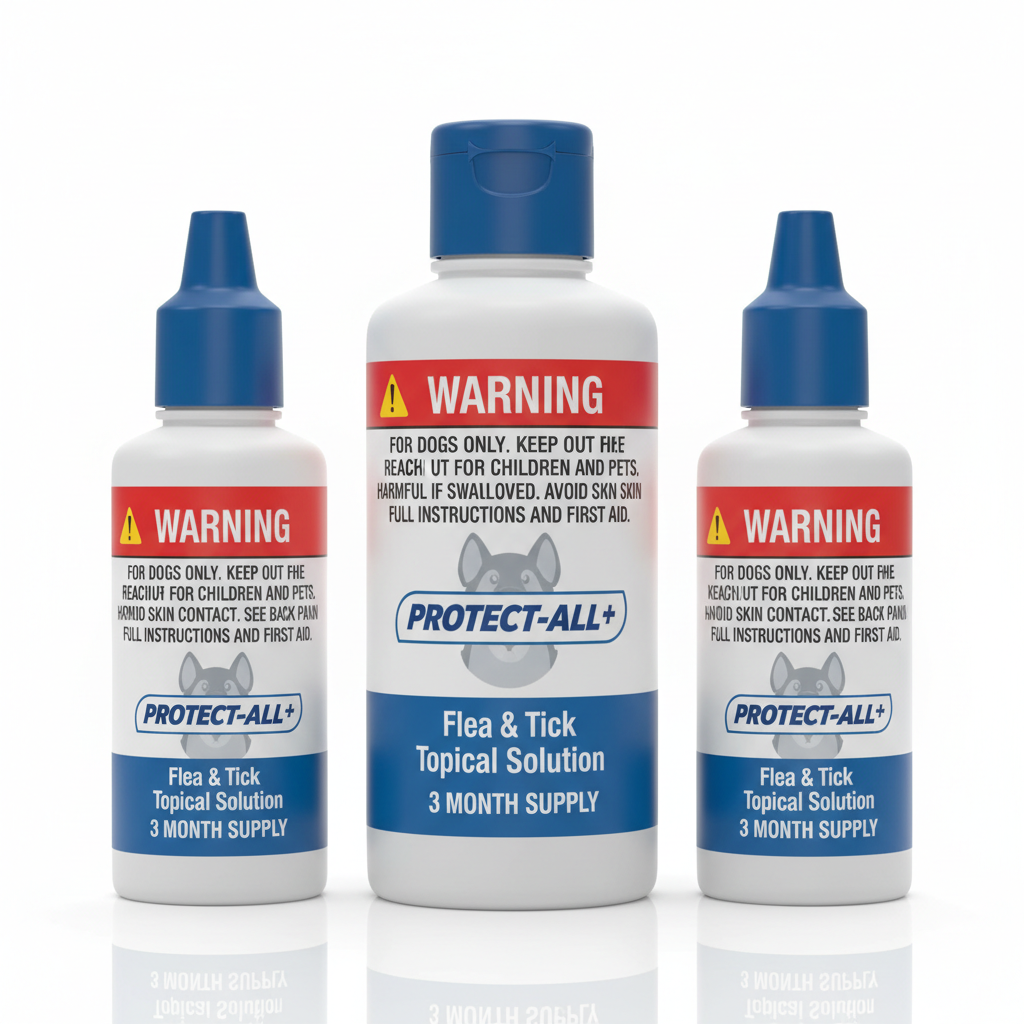
Permethrin (Dog Products Used on Cats)
Chemicals - Feline

Acetaminophen / Tylenol (Cats)
Medications - Feline

Avocado (Birds & Small Animals)
Foods - Exotic Pets

Essential Oils (Cats)
Chemicals - Feline
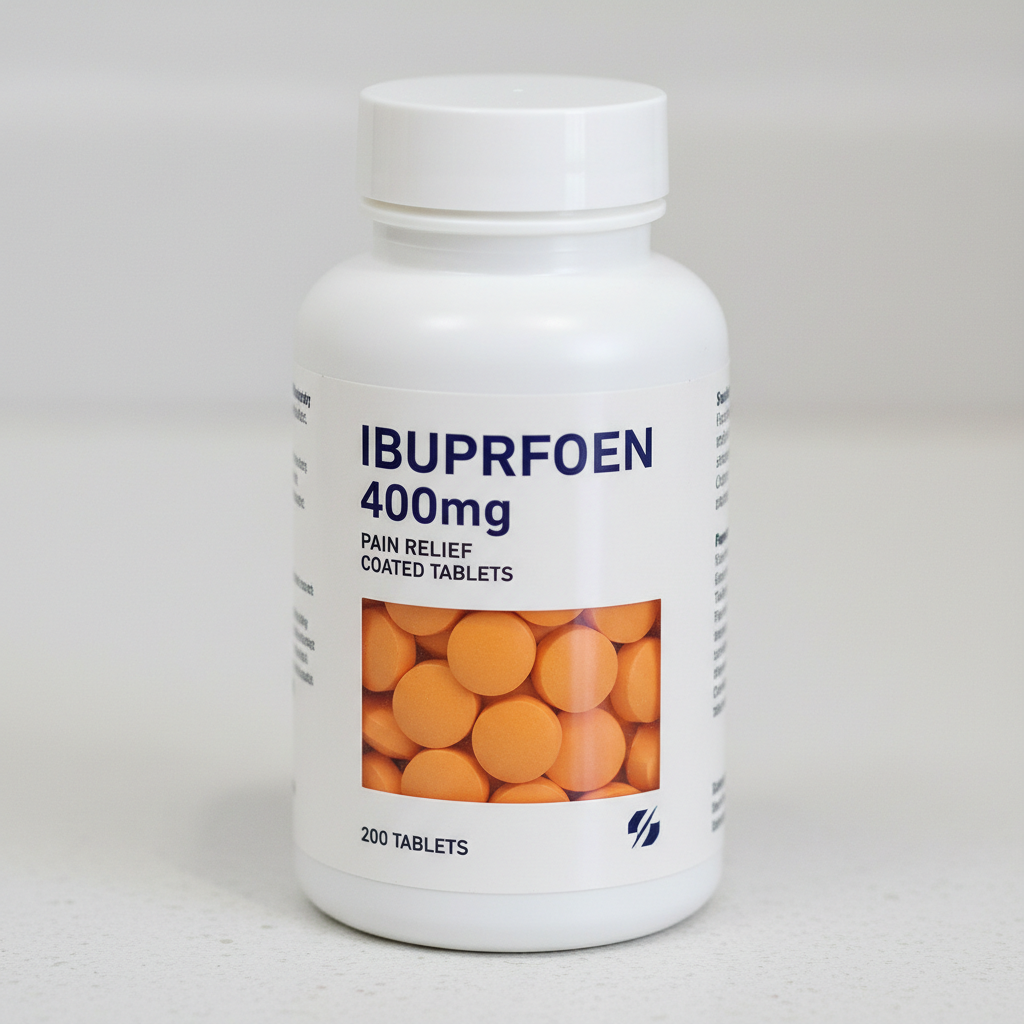
Ibuprofen / Advil (Dogs & Cats)
Medications
Disaster Preparedness Guide
Essential steps to protect your pets during natural disasters and emergencies
Create Evacuation Plan
Identify pet-friendly shelters, hotels, and boarding facilities outside your immediate area. Plan multiple evacuation routes.
Assemble Emergency Kit
Prepare a portable kit with 3-day supply of food, water, medications, and essential supplies that's ready to grab.
Update Identification
Ensure microchip registration is current and ID tags have up-to-date contact information including out-of-area contacts.
Practice Evacuation
Regularly practice getting pets into carriers quickly. Familiarize them with evacuation procedures to reduce stress.
Secure Safe Room
Designate an interior room without windows as safe space during storms. Stock with emergency supplies.
Document Everything
Keep digital and physical copies of medical records, photos, and ownership documents in waterproof container.
Establish Buddy System
Arrange with neighbors or friends to check on pets if you're unable to return home during emergency.
Know Pet-Friendly Resources
Research and save contact information for emergency veterinary clinics and animal rescue organizations in your area.
Emergency Contact Card
Keep These Numbers Accessible:
- • Your veterinarian
- • Emergency vet clinic
- • Poison control hotline
- • Local animal shelter
Pet Information to Have Ready:
- • Medical records
- • Vaccination history
- • Microchip number
- • Recent photos
Need Immediate Help?
Our 24/7 emergency hotline connects you with veterinary professionals who can provide immediate guidance